
Top Destinations
Travelers' Choice

Beyond Expeditions. Beyond Business.
Beyond Imagination.
Top Destinations
Travelers' Choice
Beyond Expeditions. Beyond Business.
Beyond Imagination.
Beyond Expeditions. Beyond Business.
Beyond Imagination.
Beyond Expeditions. Beyond Business.
Beyond Imagination.
Bhutan’s story is one of saints, fortress-builders and kings, of a country that stayed independent while empires rose around it, and that chose its own path into the modern world.
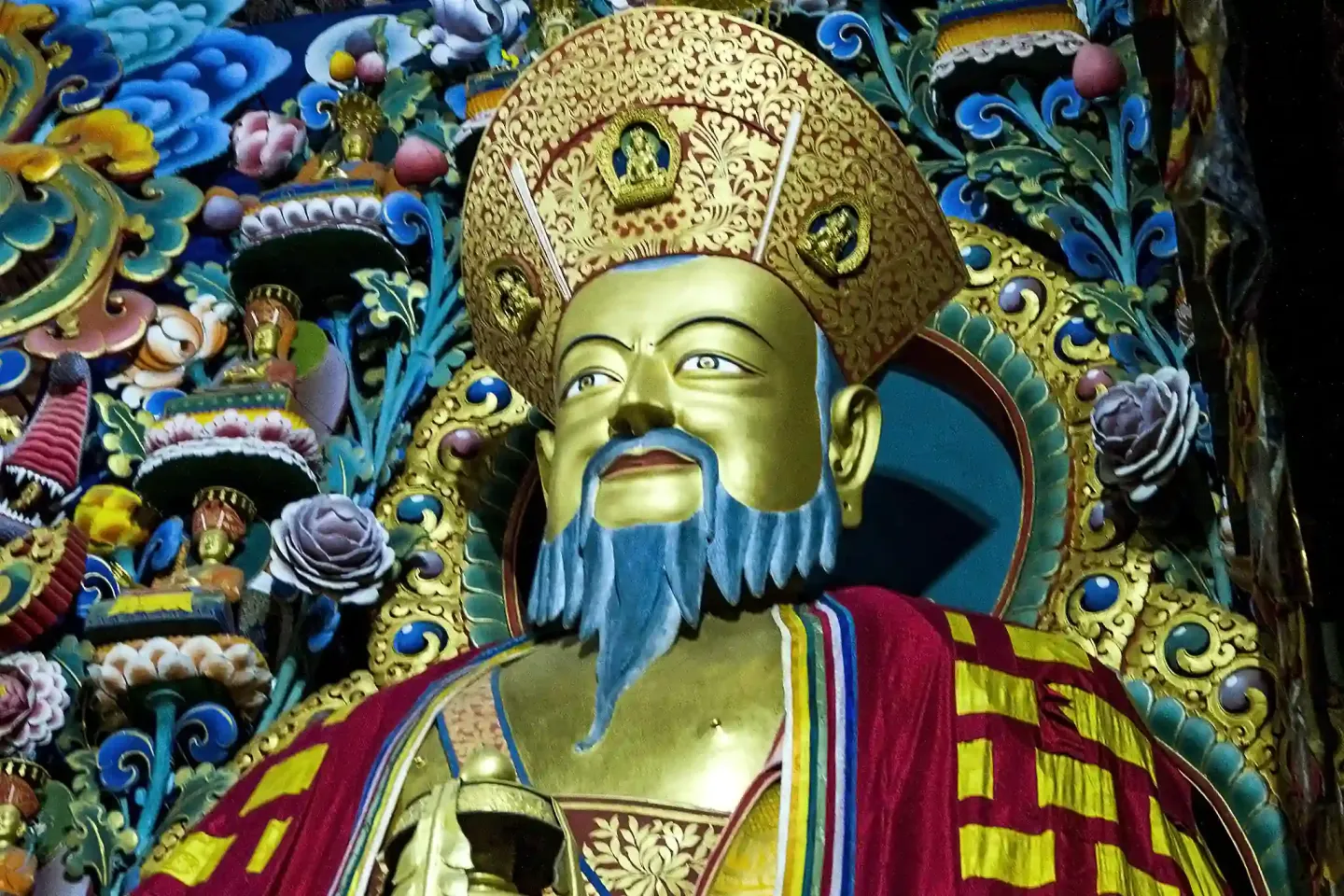
Stone tools and other finds suggest people lived in Bhutan’s valleys thousands of years ago. According to tradition, Buddhism arrived in the 7th century, when the Tibetan king Songtsen Gampo founded Kyichu Lhakhang in Paro and Jambay Lhakhang in Bumthang. In the 8th century the great teacher Guru Rinpoche (Padmasambhava) is said to have visited Bumthang and to have meditated at Taktsang, the Tiger’s Nest, above Paro.
From the 12th century, lamas of several Tibetan schools founded monasteries across the valleys. The Drukpa Kagyu school became especially influential in the west, and the name Druk Yul, Land of the Thunder Dragon, comes from it. Pema Lingpa (1450–1521), a revered treasure-revealer from Bumthang, shaped the religious life of central Bhutan.
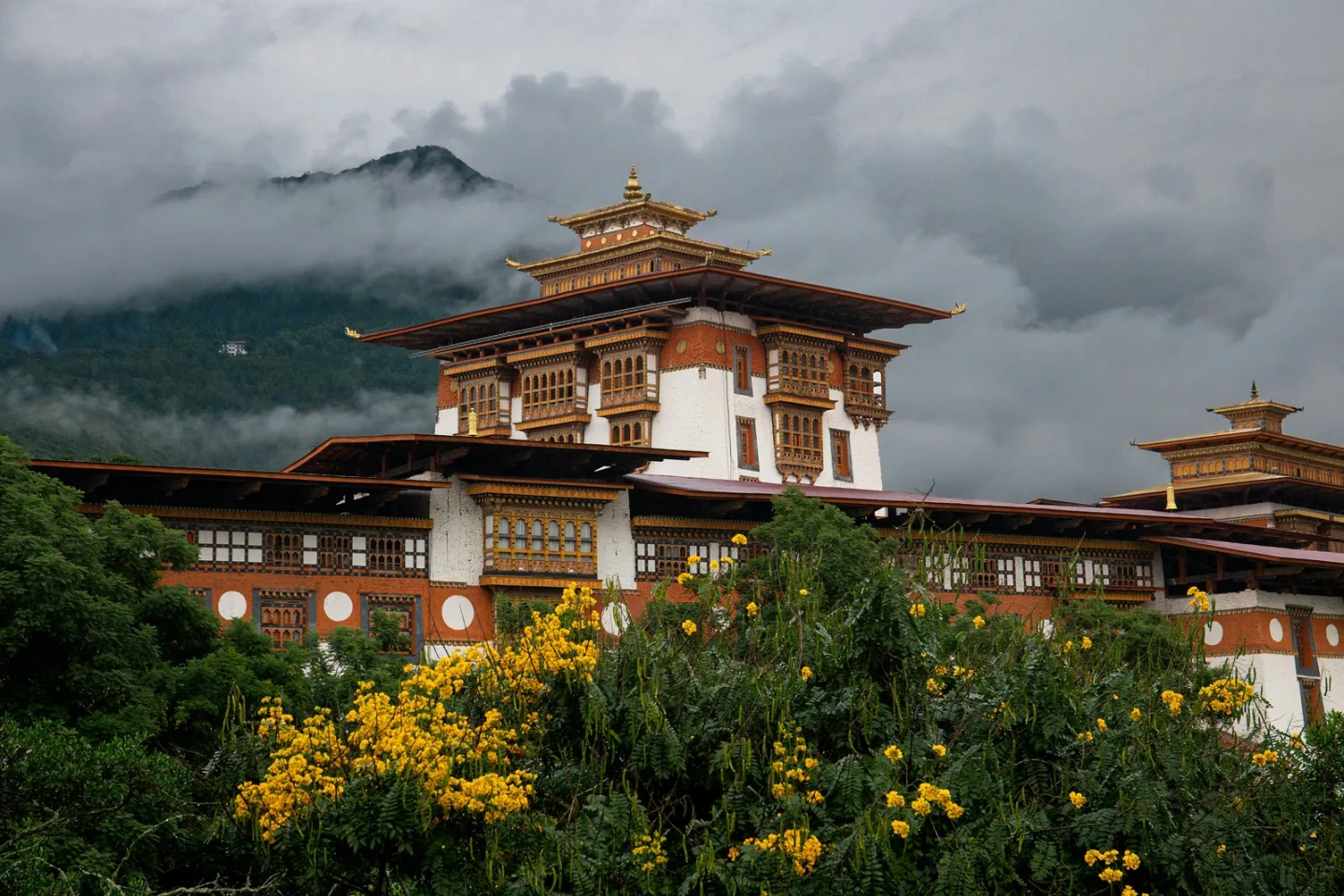
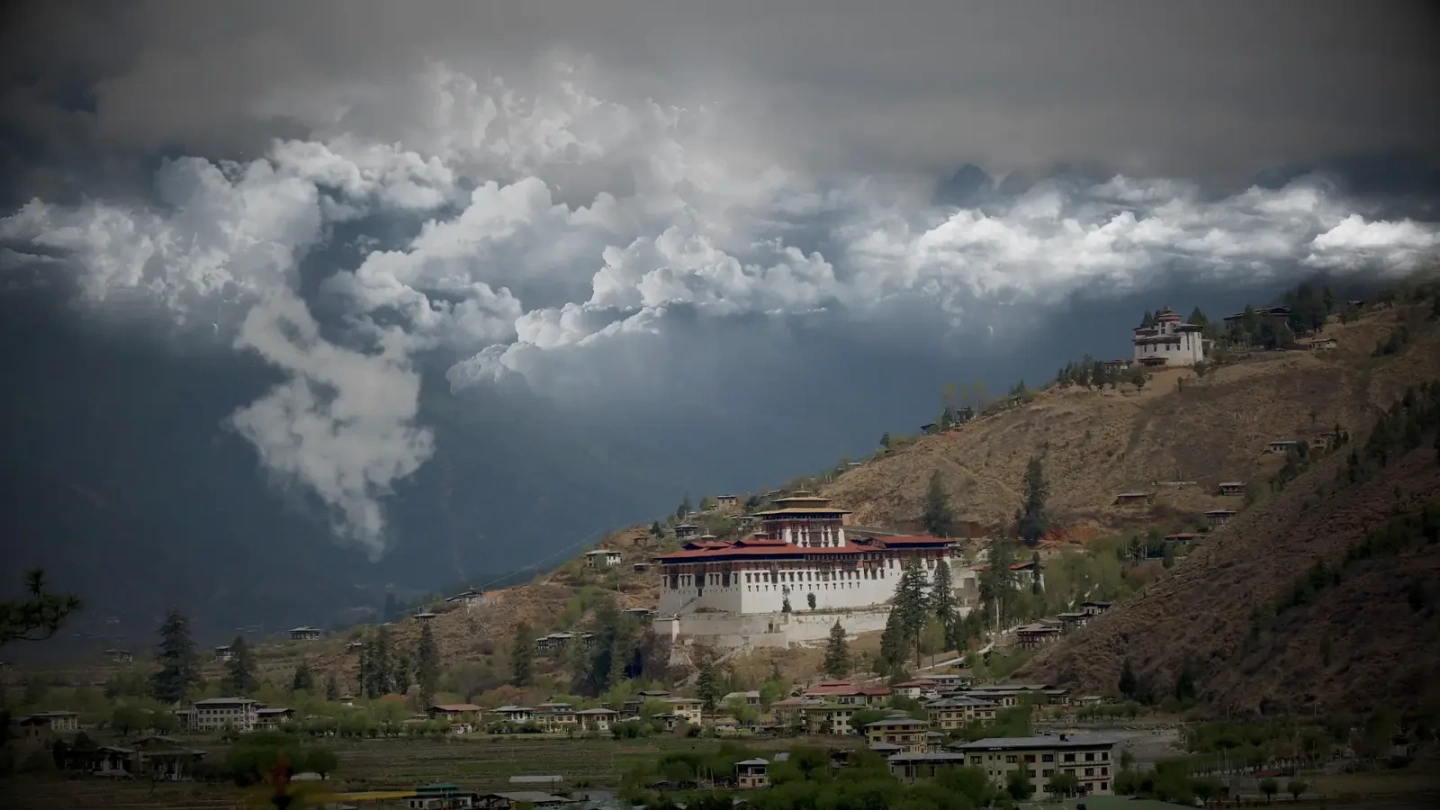
In 1616 Zhabdrung Ngawang Namgyal, a Drukpa lama, arrived from Tibet. Over the following decades he unified the western valleys, defeated repeated Tibetan invasions, built great dzongs such as Simtokha (1629) and Punakha (1637–38), and established the dual system of religious and civil authority with a legal code. After his death, which was kept secret for decades, regional governors competed for power and the country saw long periods of civil conflict.
In the 19th century disputes over the fertile Duars lowlands led to war with British India in 1864–65. Under the Treaty of Sinchula (1865) Bhutan ceded the Duars in exchange for an annual payment.
Ugyen Wangchuck, the governor (Penlop) of Trongsa, emerged as the strongest leader of his time. On 17 December 1907 an assembly of monks, officials and leading families at Punakha elected him the first hereditary King of Bhutan. That date is now celebrated as National Day. Under the Treaty of Punakha (1910) Britain agreed not to interfere in Bhutan’s internal affairs, and in 1949 a treaty of friendship was signed with newly independent India.
The Third King, Jigme Dorji Wangchuck (reigned 1952–1972), created the National Assembly in 1953, abolished serfdom, began planned development in 1961, built the first roads and led Bhutan into the United Nations in 1971. The Fourth King, Jigme Singye Wangchuck (1972–2006), opened the country to tourism in 1974, introduced the idea of Gross National Happiness and gradually handed power to elected institutions.
Television and the internet arrived in 1999. The Fourth King abdicated in 2006 in favour of his son, Jigme Khesar Namgyel Wangchuck. In 2008 Bhutan held its first parliamentary elections and adopted its constitution, becoming a democratic constitutional monarchy. In 2022 it reopened to visitors with a renewed Sustainable Development Fee.
On 17 December 2023, in his address on the 116th National Day, His Majesty King Jigme Khesar Namgyel Wangchuck announced Gelephu Mindfulness City, a new city centred on Gelephu, on the southern plains beside the border with the Indian state of Assam. It is being created as a Special Administrative Region of more than 4,000 square kilometres, about 10 percent of Bhutan, with its own executive, legislative and judicial institutions, and is planned around mindfulness, sustainability and Gross National Happiness.
The masterplan was prepared by Bjarke Ingels Group with Arup and Cistri. His Majesty broke ground for Gelephu International Airport on 8 July 2025. It is planned to open in 2029 as Bhutan’s second international airport after Paro, and India and Bhutan have agreed a railway of about 69 km linking Gelephu with Kokrajhar in Assam.
Read more: visiting Gelephu Mindfulness City.
Read more: the refugee monk who built a kingdom.